
- July 9, 2026
- by reyamirental
- Event Rental, Facilities Rental, Temporary Power
Temporary Power Plant vs Traditional Power Supply: Which Solution Is Better for Your Project?
Reliable power is one of the most important requirements for construction sites, industrial facilities, events and large-scale projects. Any interruption in electricity supply can lead to operational delays, financial losses and reduced productivity. While traditional power supply remains the preferred option for permanent facilities, many businesses are now choosing temporary power plant solutions for short-term, emergency and high-demand power requirements.
But which option is better for your project? Understanding the differences between a temporary power plant and a traditional power supply system can help you choose the right solution based on your timeline, budget and operational needs.
What is a Temporary Power Plant?
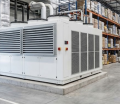
A temporary power plant is a mobile power generation solution designed to provide electricity for projects that require an immediate, flexible and reliable power source. These systems are commonly used for construction projects, industrial operations, events, shutdown works, remote locations and emergency power requirements.
Unlike permanent power infrastructure, temporary power plants can be installed quickly and adjusted according to changing project demands. Rental providers can offer scalable power solutions to match different energy requirements, making them suitable for both small and large-scale applications.
What is Traditional Power Supply?
Traditional power supply refers to electricity provided through permanent grid connections or fixed power infrastructure. It is commonly used for offices, residential buildings, factories and facilities with long-term energy requirements.
While traditional power systems provide a stable source of electricity, establishing permanent connections may require significant planning, approvals, construction work and investment. For projects that need power immediately or only for a limited period, this approach may not always be practical.
Temporary Power Plant vs Traditional Power Supply: Key Differences
1. Installation Time and Deployment
One of the biggest advantages of a temporary power plant is rapid deployment. Projects can get access to electricity without waiting for permanent infrastructure installation. Traditional power supply systems often require:
- Grid connection approvals
- Electrical infrastructure development
- Transformer installation
- Long project timelines
For construction sites and urgent projects, temporary power plants provide faster access to electricity and help avoid unnecessary delays.
2. Cost Efficiency
Setting up a permanent power system involves high capital investment, including equipment costs, installation expenses and maintenance requirements.
A temporary power plant rental eliminates the need for major upfront investment. Businesses only pay for the power solution during the required period, making it a cost-effective choice for temporary projects, emergencies and additional power requirements.
3. Flexibility and Scalability
Project power requirements often change during different stages of development. Temporary power plants offer flexibility by allowing businesses to increase or reduce capacity based on demand.
For example:
- Construction projects may require higher power during peak activities.
- Events may need additional electricity for lighting and cooling systems.
- Industrial facilities may require backup power during maintenance periods.
Traditional power supply systems are less flexible because they are designed around fixed infrastructure.
4. Reliability During Emergencies
Unexpected power failures can affect productivity and create major operational challenges. Temporary power plants provide an effective backup solution to maintain continuous operations during emergencies.
Industries such as oil and gas, manufacturing, healthcare, and infrastructure projects often rely on temporary power solutions to minimize downtime and maintain business continuity.
5. Maintenance and Support
With traditional power systems, businesses are responsible for ongoing maintenance, repairs, and upgrades.
Temporary power plant rental services typically include technical support, equipment maintenance, installation assistance and operational monitoring, allowing companies to focus on their core activities.
When Should You Choose a Temporary Power Plant?
A temporary power plant is an ideal choice for:
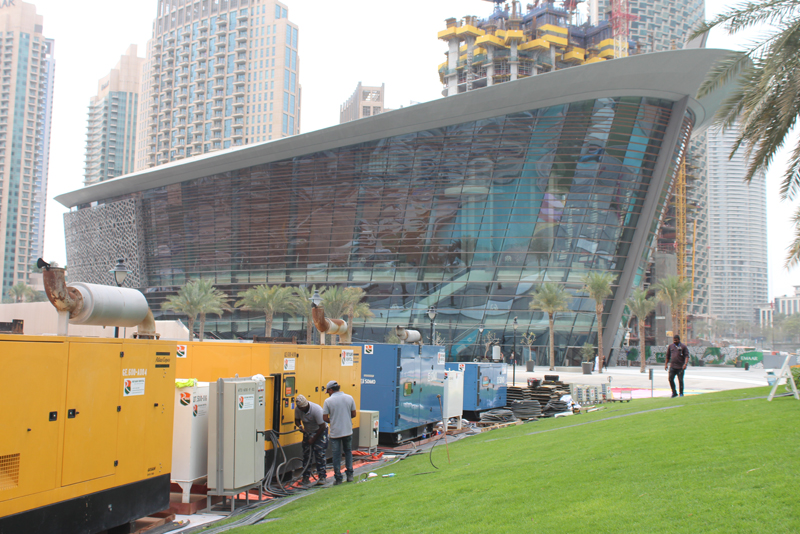
Construction sites often require electricity before permanent grid connections are available. Temporary power solutions can support cranes, lighting, tools, HVAC systems, and other equipment.
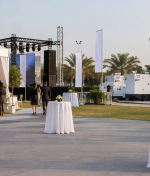
- Large events require reliable electricity for lighting, sound systems, air conditioning, catering, and other facilities.
- During maintenance shutdowns, temporary power ensures operations can continue without affecting project schedules.
- Remote sites without access to grid electricity can benefit from mobile power generation solutions.
- Temporary power plants provide immediate electricity during outages or unexpected failures.
When Is Traditional Power Supply a Better Option?
Traditional power supply is suitable when:
- The facility requires long-term electricity.
- Permanent infrastructure is already available.
- Power demand remains consistent over many years.
- The project has sufficient time for installation and approvals.
For permanent buildings and established facilities, grid power remains a practical long-term solution.
Why Choose Temporary Power Plant Rental in UAE?
In the UAE, industries and large-scale projects often require flexible power solutions due to demanding timelines and changing energy requirements. A temporary power plant rental provides businesses with reliable electricity without the cost and delays associated with permanent installations.
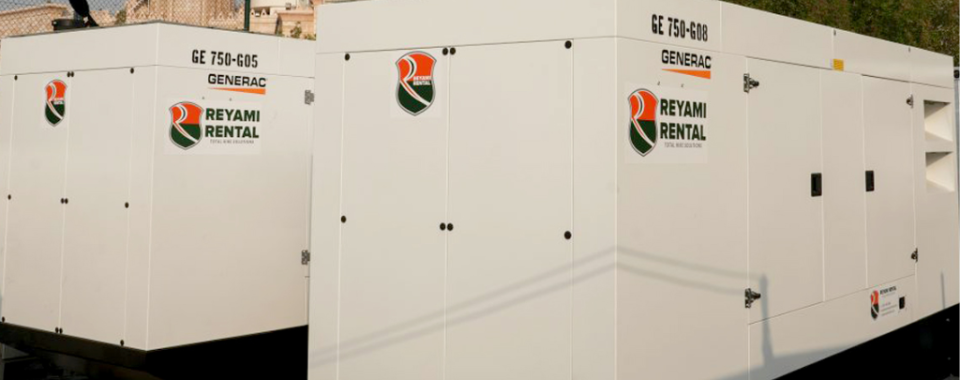
Reyami Rental provides temporary power plant rental solutions designed for industrial projects, construction sites, events and emergency applications. Their rental power plants are available in different capacities to meet project-specific requirements, including solutions ranging from 2 MW to 20 MW.
Which Solution Is Better?
The choice between a temporary power plant and a traditional power supply depends on your project requirements.
For long-term facilities with stable electricity needs, traditional power supply is the better choice. However, for temporary projects, urgent requirements, remote locations or situations where uninterrupted power is critical, a temporary power plant offers greater flexibility, faster deployment and cost savings.
If your project requires reliable electricity without waiting for permanent infrastructure, a temporary power plant rental in UAE can be the ideal solution.